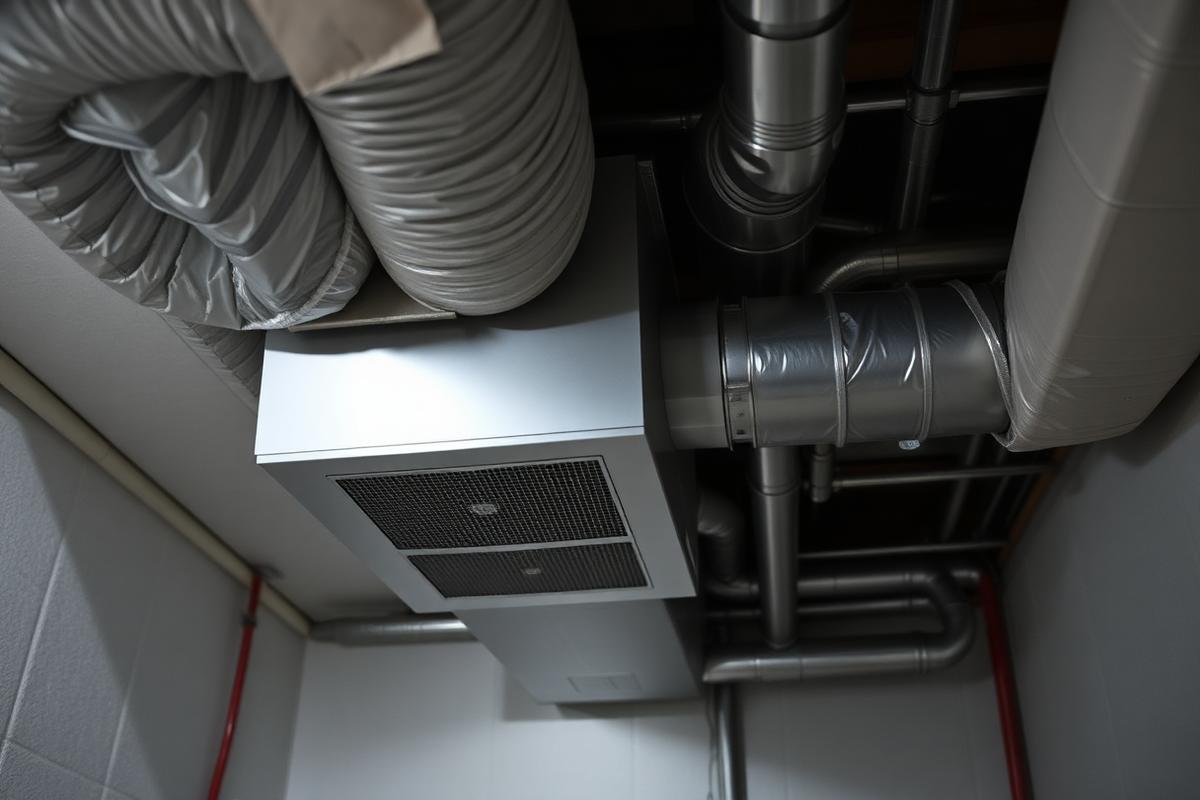
Geo-thermal heat, explained honestly for the Interior.
Certified geo-thermal contractors are genuinely rare north of the Alaska Range. If you own a building here and no one has explained what this technology actually does — or why the certification on the wall matters more than the equipment on the pallet — read this.
Certification is the only thing between a working system and a $60,000 hole in your yard.
A geo-thermal system is not a piece of equipment you buy. It is a custom-engineered thermal exchange between your building and the ground beneath it. Get the loop math wrong and the system freezes its own source out within three winters.
Certification means a contractor has proven — through IGSHPA accredited coursework — that they can run the load calculation, size the ground loop against local soil conductivity, and commission the heat pump so it delivers the capacity on the spec sheet at Fairbanks design temperature.
In Interior Alaska, that credential is uncommon. If you are evaluating a bid from someone without it, ask them to show you their loop sizing calculation. If they can't, you are the experiment.
How it actually works.
Ground Loop
Sealed HDPE piping is buried below the frost line — vertical bores 200-400 ft deep or horizontal trenches — where soil holds a stable ~40°F year-round even when air temp reads -40°F.
Refrigerant Exchange
A glycol-water mix circulates through the loop, absorbs ground-stored solar energy, and hands it to a refrigerant cycle inside the heat pump.
Compression & Distribution
The compressor concentrates that low-grade heat to 110–130°F, delivering it into hydronic radiant floors, forced-air coils, or domestic hot water.
Reversal in Summer
The same loop reverses direction to reject heat back into the ground — free-conditioning on the rare hot Fairbanks afternoon.
Coefficient of Performance vs 0.95 for oil combustion.
Lifetime heating-cost reduction on well-designed Interior AK systems.
Ground loop design life. Heat pump: 20–25 yr.
On-site combustion, flue, or fuel storage risk.
The questions worth asking out loud.
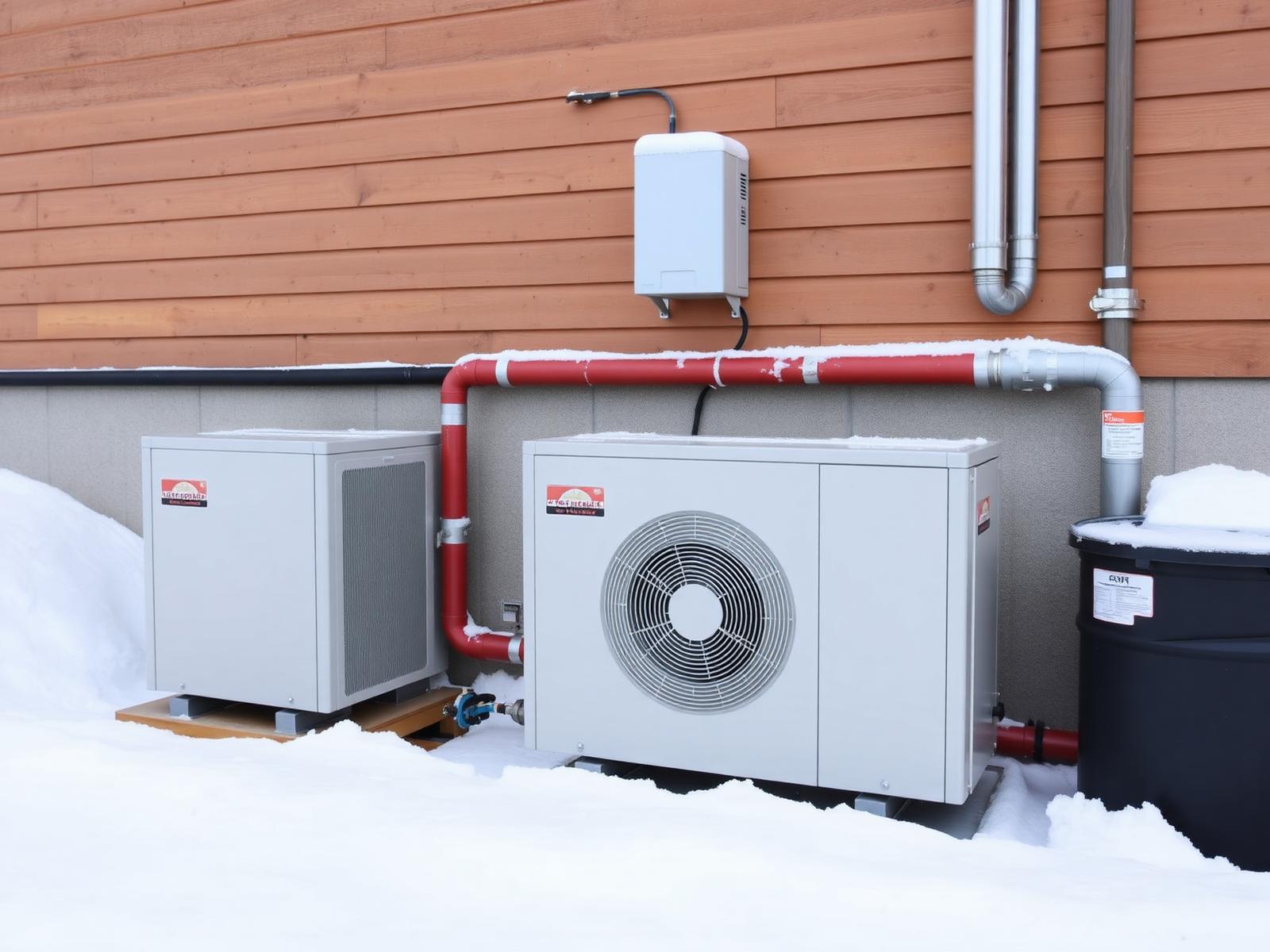
Doesn't the ground freeze in Alaska?
Below 8–10 ft it doesn't — even in permafrost zones the loop is designed against soil thermal conductivity, not surface temperature. That's exactly what proper certification exists to calculate.
Is it just for new construction?
No. Retrofits into existing hydronic homes are routine. We tie the heat pump into your current radiant manifold and keep the boiler as backup or decommission it.
Will it heat the whole house at -50°F?
A correctly sized system will. An undersized one won't — which is why the load calc, loop length, and bore geometry are the entire game. This is where uncertified installs fail.
What about the up-front cost?
System cost runs 2–3× a conventional boiler install. Federal 30% residential tax credit (Sec. 25D) applies through 2032, and Alaska Housing Finance Corp rebates stack on top. Payback is typically 7–12 years.
Evaluating geo-thermal for your build?
We will walk your site, run the load calc, and give you a straight answer — including when geo-thermal is the wrong call.